Selling Smart in Parkland: How to Stage, Price, and Time Your Home Sale for Maximum Return
Selling a home in Parkland is not simply a matter of listing and waiting. In one of Calgary's most consistently sought-after communities, the gap between a well-prepared sale and a reactive one can translate directly into tens of thousands of dollars — and weeks of unnecessary market exposure. For homeowners ready to transition out of Parkland, the decisions made before a single showing takes place are often the most consequential of the entire transaction.
This guide is designed for sellers who intend to approach the process as informed participants, not passive bystanders.
Understanding Who Buys in Parkland
Before staging a single room or setting an asking price, effective sellers study their buyer. Parkland attracts a specific and relatively consistent demographic: dual-income professional families, move-up buyers from inner-city neighbourhoods, and relocating executives drawn by proximity to both the mountains and downtown Calgary. These buyers are not first-timers navigating uncertainty — they know what they want, they have done their research, and they will compare your property against others with considerable scrutiny.
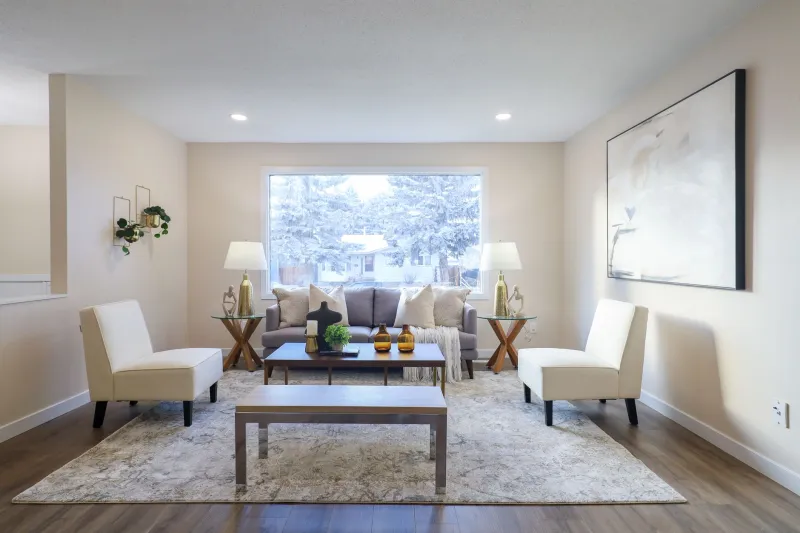
This matters enormously for staging. A Parkland buyer is typically looking for functional sophistication: generous principal rooms, updated kitchens that serve real cooking needs, and outdoor living spaces that reflect the community's active lifestyle. Staging decisions that emphasise these qualities — decluttering main-floor living areas, ensuring the primary bedroom reads as a genuine retreat, and presenting the backyard as an extension of the home rather than an afterthought — consistently resonate with this audience.
Conversely, over-staging with heavily stylised décor can alienate buyers who intend to personalise a space. The goal is aspirational neutrality: clean, warm, and unmistakably liveable.
Strategic Staging: Where to Invest and Where to Hold Back
Not every staging dollar yields equal returns. In Parkland's market, certain investments reliably influence buyer perception and offer price.
The kitchen and primary bathroom carry disproportionate weight in buyer decision-making. If these spaces have not been updated within the past decade, even modest refreshes — cabinet hardware, updated fixtures, professional-grade cleaning — can meaningfully shift perceived value. Full renovations prior to sale, however, rarely recover their full cost and are generally inadvisable unless the property is significantly behind market standard.
Natural light and spatial flow are often underestimated. Parkland homes frequently feature generous window placement and open-concept layouts — assets that are easily obscured by heavy window treatments or excess furniture. Removing unnecessary pieces to create clear sightlines through principal rooms is one of the highest-return staging decisions available to sellers.
Curb appeal in Alberta's climate deserves particular attention. Given Calgary's variable spring conditions and the frequency of winter listings, ensuring that the home's exterior — including the driveway, front landscaping, and entryway — is meticulously maintained signals to buyers that the property has been cared for throughout its life, not merely dressed up for sale.
Professional photography and, where appropriate, virtual staging for vacant properties are now baseline expectations in this price range. Buyers routinely filter listings based on visual presentation before scheduling a showing.
Pricing With Precision: The Southwest Corridor's Data Landscape
Parkland's pricing environment rewards precision over optimism. The community operates within a clearly defined comparable set — neighbouring established communities including Pump Hill, Woodbine, and Braeside provide reference points, but Parkland's own transaction history offers the most reliable guidance.
Effective pricing begins with a rigorous comparative market analysis that accounts not only for recent sold prices but for days-on-market trends, list-to-sale price ratios, and the specific sub-segments within Parkland itself. Larger estate lots, backing onto green space or the community's extensive pathway network, command measurable premiums over otherwise similar properties. Sellers who fail to account for these micro-distinctions — in either direction — risk either leaving equity on the table or anchoring a listing at a price the market will not support.
In a market with engaged, well-researched buyers, overpricing rarely produces the negotiating room sellers anticipate. Instead, it typically generates a prolonged listing period, which itself becomes a liability. Properties that sit accumulate buyer skepticism regardless of their underlying quality. Accurate initial pricing — informed by genuine market data rather than aspiration — consistently produces stronger net outcomes.
Timing the Market: Seasonal Patterns in Parkland
Calgary's real estate calendar has well-established rhythms, and Parkland is no exception. The spring window — broadly February through May — historically generates the strongest buyer activity and the most competitive offer environments. Families with school-age children are motivated to close in time for a September transition, creating a defined and predictable demand surge.
The fall market, running from mid-August through October, offers a secondary window that is frequently underutilised by sellers who have already missed the spring. Buyer motivation in this period remains strong, and inventory levels often decline as sellers who struggled in spring withdraw their listings — creating a more favourable competitive landscape for well-prepared properties.
Summer and winter listings are not without merit, but they require adjusted expectations. Serious buyers remain active year-round, and reduced inventory can occasionally work in a motivated seller's favour. The calculus, however, shifts: presentation must work harder, and pricing precision becomes even more critical.
For sellers with flexibility, aligning a listing launch with the early weeks of the spring market — ideally late February or early March — positions the property to capture peak buyer attention before competing inventory accumulates.
Preparing for the Offer Process
Parkland sellers who have done the preparation work — strategic staging, accurate pricing, and thoughtful timing — are positioned to negotiate from a place of confidence. Understanding which conditions are standard in Calgary's current market (home inspection, financing) and which represent genuine risk is essential context for evaluating offers.
Engaging a realtor with demonstrated transaction history specifically in Parkland and the broader southwest corridor is not a minor consideration. Local expertise translates directly into pricing accuracy, buyer network access, and negotiation effectiveness.
The Parkland resale market rewards preparation. Sellers who approach the process as a deliberate strategic exercise — rather than a reactive response to changing circumstances — consistently achieve superior outcomes. That discipline, applied from staging through closing, is the defining characteristic of a successful sale in this community.