Bricks, Pathways, and Appreciation: How Parkland's Growing Amenity Base Is Quietly Lifting Home Values
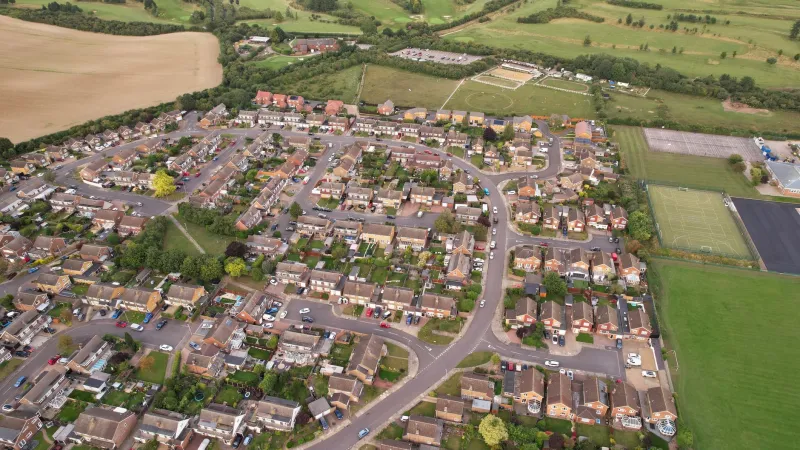
When most Calgarians think about what drives property values, they instinctively reach for familiar metrics: square footage, lot size, the number of bathrooms. These factors matter, of course. But in established and evolving communities like Parkland, a subtler and increasingly significant force has been at work — one that appraisers, developers, and informed buyers are paying close attention to.
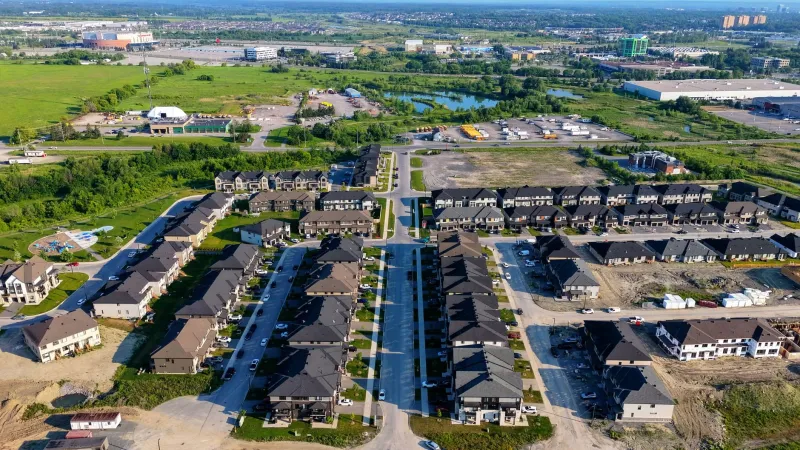
Over the past five years, Parkland has undergone a measurable expansion of its recreational and commercial infrastructure. The results, when mapped against local resale data, tell a story that is difficult to ignore.
The Numbers Behind the Narrative
According to Calgary Real Estate Board (CREB) data, properties in Parkland have consistently outperformed the city's broader southwest benchmark for year-over-year appreciation. While Calgary as a whole experienced average resale price growth of approximately 18 to 22 percent between 2019 and 2024, select pockets within Parkland — particularly those situated within a five-minute walk of newly developed green space or pathway connectors — recorded appreciation closer to 26 to 31 percent over the same period.
These are not accidental numbers. Residential appraisers operating in the southwest quadrant have noted a growing practice of factoring proximity to quality amenities directly into comparative market analyses. "We've moved well beyond the old model of simply adjusting for lot size and garage count," explains one Calgary-based accredited appraiser who works regularly in the Fish Creek corridor. "When a property backs onto a maintained pathway system or sits within easy reach of a commercial node, that translates into a quantifiable premium — typically in the range of three to seven percent depending on the specific amenity and its condition."
Parks and Pathways: The Infrastructure Nobody Talks About
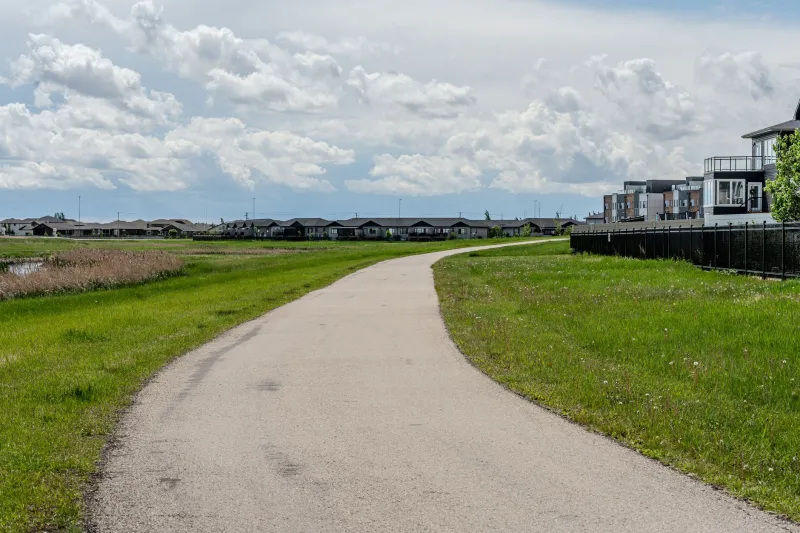
Parkland's proximity to Fish Creek Provincial Park remains one of its most frequently cited selling points. But what has shifted in recent years is the community's internal pathway network — a series of interconnected walking and cycling routes that have gradually stitched together residential pockets with green corridors, school sites, and commercial areas.
The expansion of these pathways, much of it coordinated through the City of Calgary's investment in active transportation infrastructure, has had a demonstrable effect on neighbouring properties. Homes that were previously considered interior lots with limited distinguishing features have, in some cases, seen renewed buyer interest simply because a new trail connection placed them within a short walk of Parkland's larger green spaces.
Local developers who have worked on infill and renovation projects in the area point to pathway adjacency as an increasingly common criterion in buyer briefs. "Five years ago, buyers in Parkland were primarily focused on school catchment and commute times," notes one southwest Calgary developer with multiple completed projects in the community. "Today, we're consistently hearing questions about walkability, access to trails, and what's coming to the neighbourhood commercially. The amenity conversation has moved to the front of the room."
Commercial Development and the Mixed-Use Effect
Beyond green space, Parkland's gradual commercial evolution has introduced another layer of value-driving influence. The maturation of nearby commercial nodes — including retail and service amenities accessible along Macleod Trail and the continued development of community-serving businesses — has reduced the perceived isolation that once characterized purely residential suburban communities.
This shift matters to buyers in a concrete way. Properties located in communities where daily errands are walkable or accessible within a short drive consistently command stronger resale premiums than those requiring significant commutes for basic services. Appraisers refer to this as the "convenience premium," and in Parkland's case, it has grown more pronounced as the surrounding commercial landscape has matured.
A comparative analysis of two Parkland streets — one situated closer to Fish Creek's commercial fringe and one deeper into the residential interior — showed a consistent price differential of four to six percent in favour of the former, even when controlling for home size and age. That gap, while modest on a single transaction, compounds meaningfully for sellers over a five-to-ten-year ownership horizon.
Community Reinvestment and the Cycle of Appreciation
What makes Parkland's situation particularly instructive for prospective buyers is the self-reinforcing nature of community investment. When a municipality or developer improves a park, extends a pathway, or introduces a new commercial offering, the surrounding property values respond. Higher valuations, in turn, generate increased property tax revenue and attract further private investment — creating a cycle that benefits existing homeowners and rewards those who position themselves in the community early.
Parkland is currently in what market observers describe as an active phase of this cycle. Several community enhancement initiatives — including planned upgrades to local park facilities and ongoing pathway connectivity projects — are anticipated to reach completion within the next two to four years. Buyers who acquire property in proximity to these projects today are, in effect, purchasing ahead of the appreciation that typically follows their completion.
"The buyers who consistently do well in communities like Parkland are the ones who understand that they're not just buying a house — they're buying into an evolving ecosystem," says a Calgary-based real estate adviser specializing in the southwest market. "The amenity investment happening around them is doing work on their behalf, even while they sleep."
What This Means for Buyers Today
For those currently evaluating a purchase in Parkland, the practical takeaway is straightforward: amenity proximity is not a lifestyle preference to be weighed against financial considerations — it is a financial consideration in its own right.
Buyers would be well served to research not only the current state of parks, pathways, and commercial offerings near any property they are considering, but also the pipeline of planned community investments. The City of Calgary's open data portal, community association updates, and local planning documents can provide meaningful insight into what is coming — and where the next wave of appreciation may be concentrated.
Parkland's track record over the past five years offers a compelling case study in how thoughtful community investment translates into lasting property value. For buyers who take the time to understand that relationship, the community's continued evolution represents not just a pleasant place to live, but a strategically sound place to invest.
Parkland YYC is your dedicated resource for property listings, neighbourhood intelligence, and community insights in one of Calgary's most sought-after southwest communities. Explore current listings and community guides at parklandyyc.ca.